Time Tracking and Shift Scheduling Software for Multi-Location Small Businesses
As a Workforce Management Expert and B2B Software Analyst, I constantly talk to founders drowning in administrative chaos. When a small business expands from a single storefront to multiple locations, operational complexity grows exponentially.
Imagine you own a growing network of six local fitness centers. You employ a mix of fifty hourly workers, including early-morning front-desk staff, roving personal trainers who work across three different gyms, and late-night maintenance crews. If you are using spreadsheets, whiteboards, and chaotic group chats to manage these moving parts, you are actively losing money.
For modern operators, adopting dedicated employee scheduling software small business platforms is no longer optional. It is the only way to maintain your sanity, protect profit margins, and ensure strict labor compliance. Here is an analytical dive into how deploying the right technology transforms your multi-location workforce management.
The Chaos of Multi-Location Shift Worker Management
In our six-gym scenario, the logistical hurdles are massive. A personal trainer might be scheduled for a 6:00 AM spin class at Location A, followed by a 10:00 AM session at Location C. Meanwhile, a front-desk worker at Location B calls in sick at 5:30 AM.
Without a centralized system, the manager must manually text available staff, hoping someone wakes up to cover the shift, while simultaneously trying to remember if the substitute is already approaching overtime for the week.
Modern shift worker management software eliminates this friction. These platforms allow you to build digital schedules categorized by physical locations, roles, and employee qualifications.
-
Smart Scheduling: The software prevents double-booking. If you schedule a trainer at Location A and Location B at the same time, the system blocks it.
-
Shift Swapping: If an employee needs a Tuesday off, they offer their shift on the app’s digital trade board. Another qualified employee claims it, and the manager simply taps “Approve.”
-
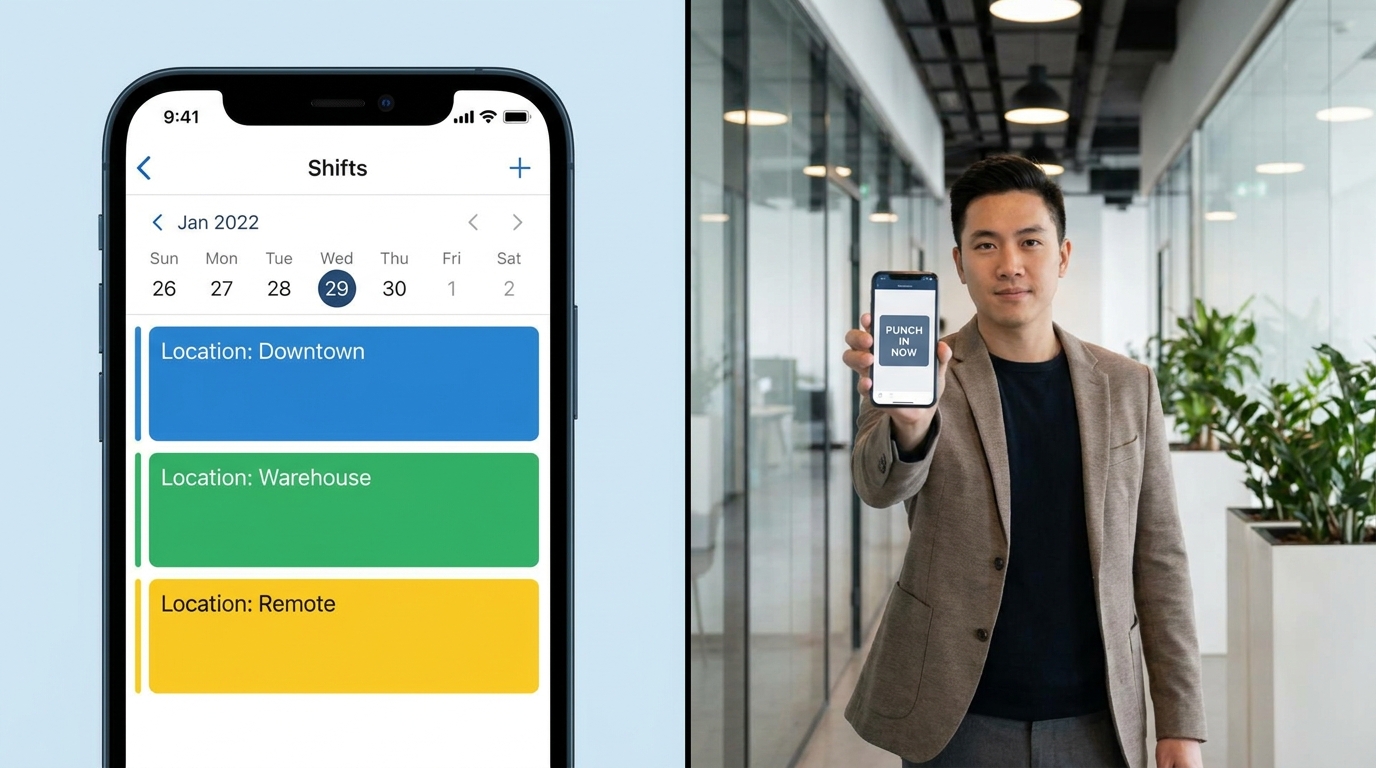
Location Tagging: Employees open their mobile app and see exactly which gym they are scheduled at, their role for the day, and any specific manager notes.
Eradicating Time Theft with a Geofencing Time Clock
When you manage six gyms but can only physically be in one place, how do you actually know your 5:00 AM opening staff arrived on time?
Relying on paper timesheets or a wall punch-card invites “time theft.” Time theft occurs when an employee writes down 5:00 AM but arrives at 5:15 AM, or when a coworker punches a card for a friend running late—known as “buddy punching.” Across fifty employees, fifteen minutes of stolen time a day equates to tens of thousands of dollars in wasted payroll annually.
The solution is deploying a multi location time tracking app directly to employees’ smartphones. To make it airtight, you must activate the geofencing features.
A geofencing time clock utilizes the GPS capabilities of a smartphone to create a virtual boundary around the physical address of each of your gyms.
-
How it Works: You drop a pin on your gym’s location in the software and set a specific radius (e.g., 100 feet).
-
The Restriction: The employee cannot tap the “Clock In” button on their app unless their phone’s GPS registers that they are physically standing inside that circle.
-
The Result: No more buddy punching. No more employees clocking in while stuck in traffic down the street. You get hyper-accurate payroll data based on actual physical presence.
Protecting Margins with Overtime Compliance Software
Perhaps the greatest financial threat to a growing multi-location business is accidental overtime. If your roving personal trainer works 20 hours at Gym A, 15 hours at Gym B, and you ask them to cover a 10-hour shift at Gym C, they have just hit 45 hours for the week.
If your gym managers create schedules in silos without looking at aggregate data, they will accidentally push employees into time-and-a-half pay. Failing to provide mandatory meal breaks can also result in devastating lawsuits and Department of Labor fines.
This is where your system must function as robust overtime compliance software.
-
Real-Time Accumulation: The software tracks total hours worked across all locations simultaneously.
-
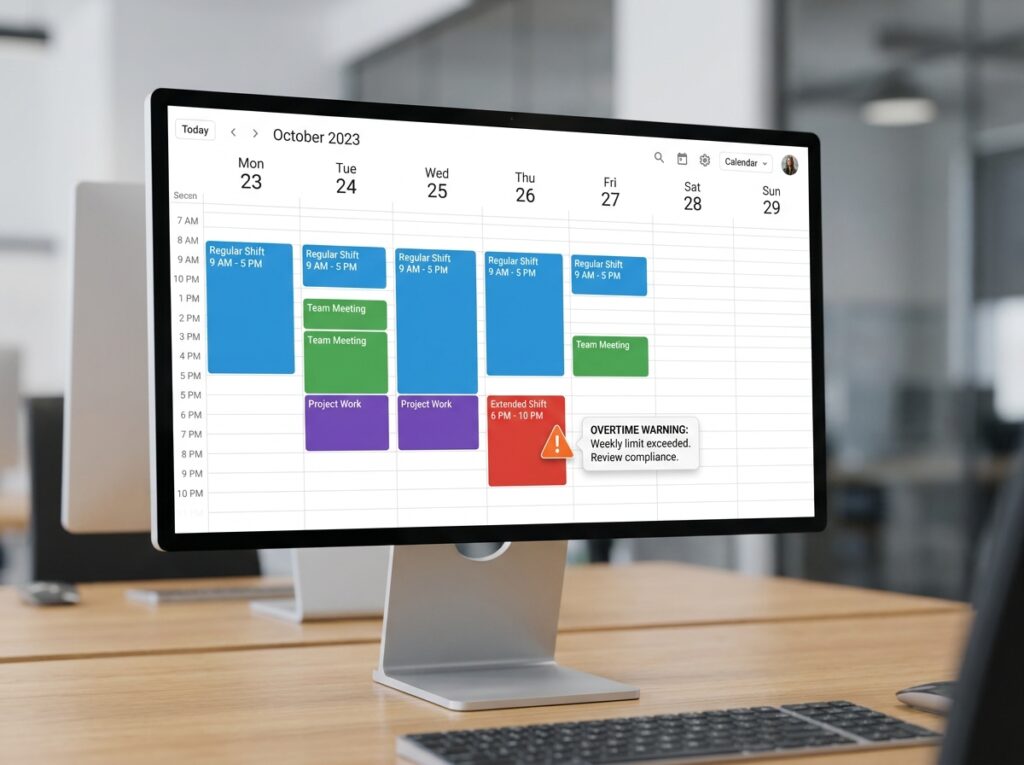
Automated Warnings: When a manager attempts to assign a shift that pushes a worker over the 40-hour threshold, the software flashes a warning, requiring explicit authorization to incur overtime costs.
-
Proactive Alerts: During the workweek, the system sends push notifications if an employee is approaching overtime, allowing the manager to send them home early.
-
Break Compliance: The software enforces mandatory clock-outs for meal breaks, refusing to let the employee clock back in until the legally required time has passed.
Streamlining the Payroll Export
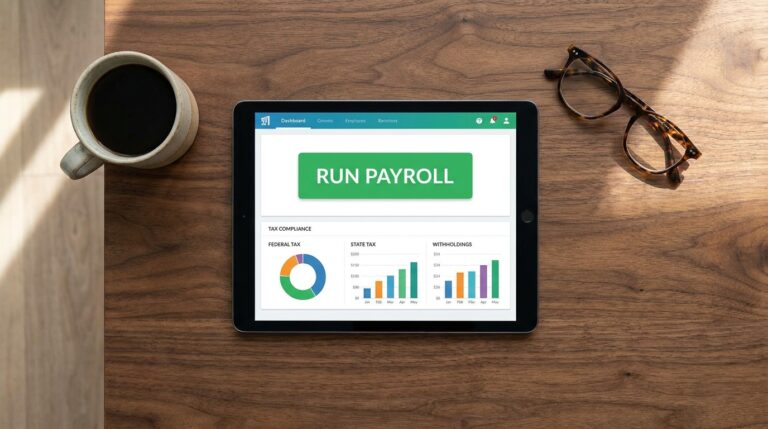
The final operational victory happens on payday. In the past, managers spent hours manually cross-referencing paper schedules against punched time cards, calculating regular hours versus overtime, and typing numbers into a payroll portal.
With an integrated time-tracking app, the schedule and the time clock are the exact same system. At the end of the pay period, the software automatically reconciles exact hours worked, calculates overtime rates, and generates a clean data file that syncs directly into your payroll provider with a single click.
Final Thoughts for the Growing Operator
Scaling from one location to six is an incredible achievement, but the administrative weight can quickly crush a small team. By replacing manual processes with a unified platform that handles smart scheduling, GPS-enforced time tracking, and automated compliance, you buy back your time. You ensure your gyms are perfectly staffed, your payroll is mathematically flawless, and your bottom line is protected.
Operational Disclaimer: The workforce management strategies, software features, and compliance mechanisms discussed in this guide are for informational and educational purposes only. Labor laws, overtime regulations, and software capabilities vary significantly by jurisdiction and vendor. Always consult with a certified HR professional or labor attorney to ensure your scheduling practices comply with local, state, and federal regulations.