Managing Employee Benefits Without an HR Department: A Software Guide
As a Small Business Benefits Broker and SaaS Reviewer, I hear the same complaint from founders every single week: “I can’t compete with the corporate giants for top talent because I can’t afford to offer a robust benefits package, and I definitely cannot afford to hire a full-time HR manager to run it.”
This mindset is rooted in an outdated corporate model. Ten years ago, offering medical, dental, and retirement plans required a mountain of paperwork, hours of manual data entry, and a dedicated human resources professional to manage compliance. Today, that entire paradigm has shifted.
The rise of the modern benefits administration platform has completely leveled the playing field. You no longer need an HR department to offer Fortune 500-level perks. Here is exactly how modern software allows lean small businesses to build, deploy, and manage highly competitive benefit packages on autopilot.
The Myth of the HR Manager: Open Enrollment Automation
The most terrifying time of the year for any traditional business owner is Open Enrollment—that chaotic window when employees must select, change, or decline their health insurance for the upcoming year. Historically, this meant printing out hundreds of pages of carrier plan details, holding mandatory staff meetings, tracking down missing signatures, and manually entering employee selections into a clunky insurance portal.
Modern small business health insurance software eliminates this manual nightmare entirely through open enrollment automation.
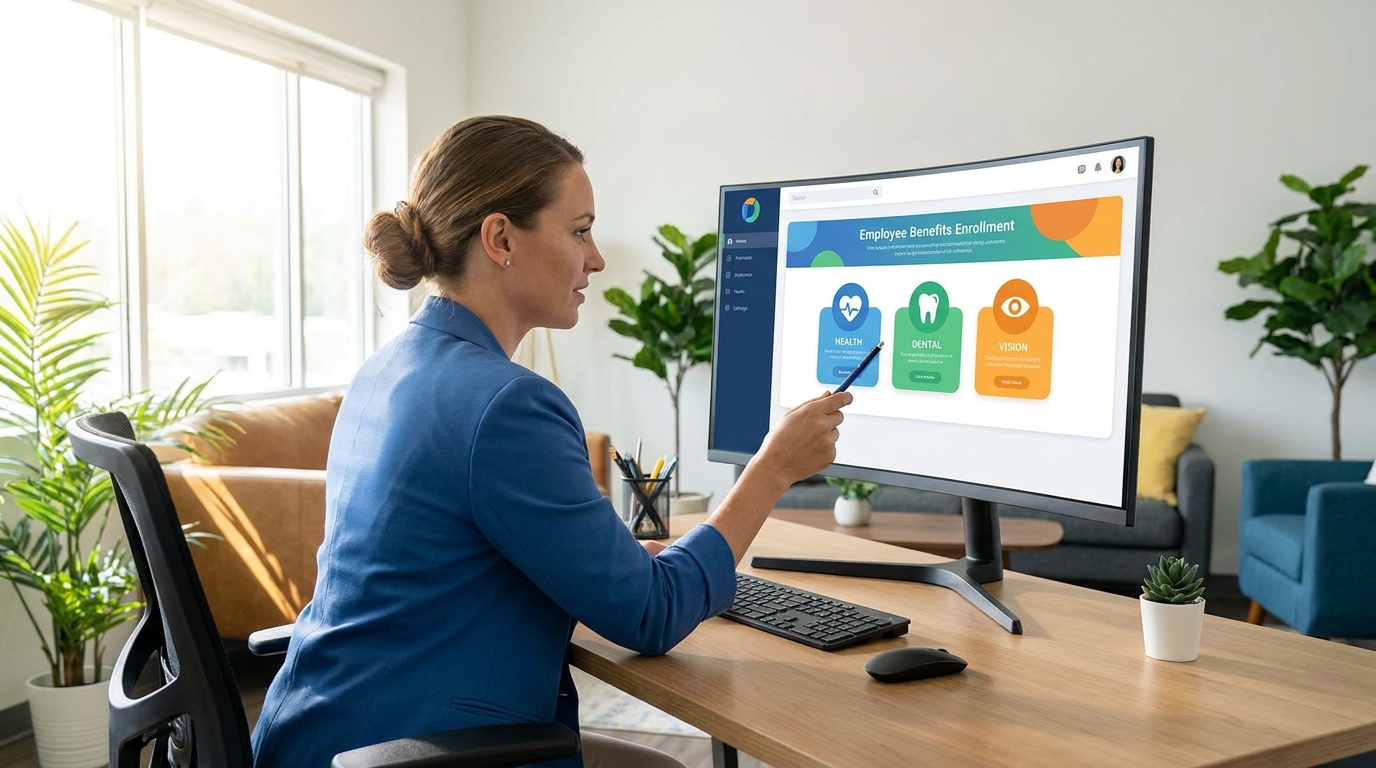
When it is time for Open Enrollment, platforms like Gusto or Rippling take the wheel. The software sends automated emails to your staff, prompting them to log into their employee self-service portal. Inside the portal, employees are presented with a highly visual, easy-to-understand dashboard comparing the different health plans you offer.
-
Cost Comparisons: The software clearly displays what the company covers and what the employee will owe out-of-pocket per paycheck.
-
Provider Search: Employees can search for their specific doctors or pediatricians directly within the software to see if they are in-network before selecting a plan.
-
Digital Signatures: Once they make their choice, they sign electronically.
If an employee fails to make a selection, the software automatically sends them reminder nudges. You, the business owner, do not have to chase down a single piece of paper. The entire enrollment process happens digitally, seamlessly, and without an HR manager.
Unlocking Big-Company Benefit Tiers
One of the greatest advantages of using these tech platforms is overcoming the “small group” penalty. When a traditional small business with ten employees goes directly to an insurance carrier to buy health insurance, they are placed in a high-risk pool and quoted astronomical premiums.
To solve this, many top-tier HR platforms act directly as your digital insurance broker. Because a company like Gusto or Rippling represents hundreds of thousands of employees across thousands of small businesses, they possess massive negotiating power.
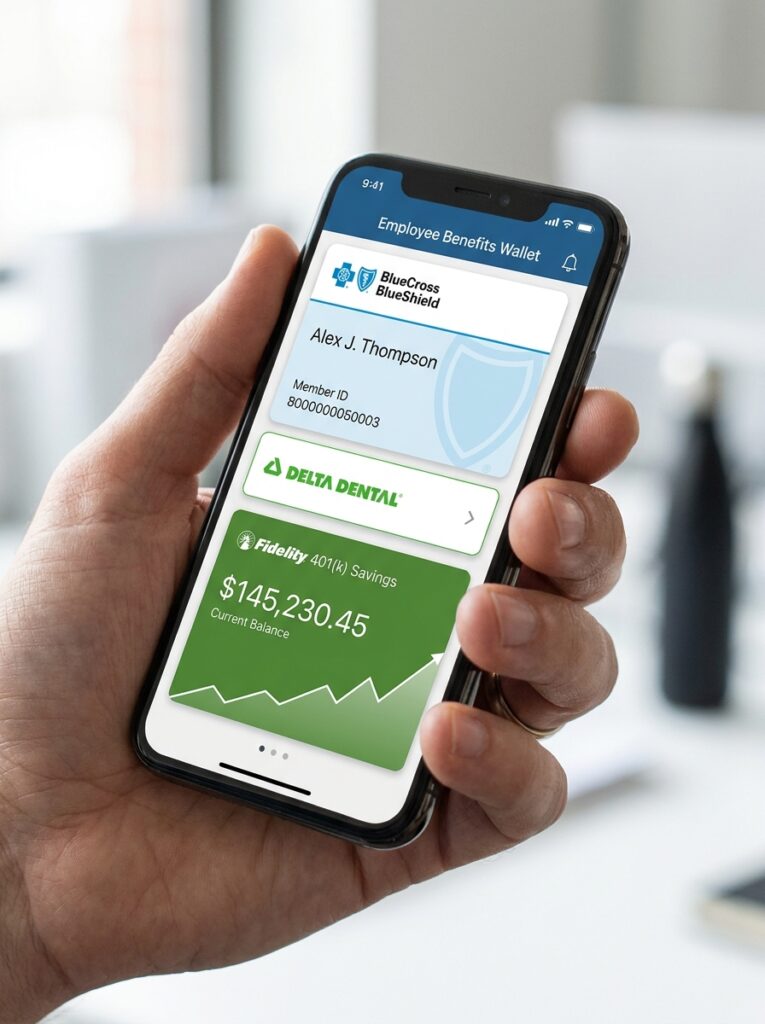
When you use their software to secure benefits, you are effectively tapping into their aggregated risk pool. This allows a tiny, five-person design agency to access premium, national health insurance networks (like Blue Cross Blue Shield, UnitedHealthcare, or Aetna) at corporate-level pricing. You get access to the high-tier PPO plans, robust dental coverage, and vision plans that were historically reserved for companies with thousands of employees.
The Magic of Integrated Payroll Deductions
The most brilliant engineering feat of modern HR SaaS is the native unification of benefits and payroll. In the past, if an employee selected a health plan and a 401(k) contribution, an office manager had to manually type those deduction amounts into the payroll system. If the premium changed, or the employee got a raise, the manager had to manually recalculate the math. Manual entry leads to math errors, and math errors lead to Department of Labor audits.
When you use a unified platform, the benefits module and the payroll engine share the exact same brain.
-
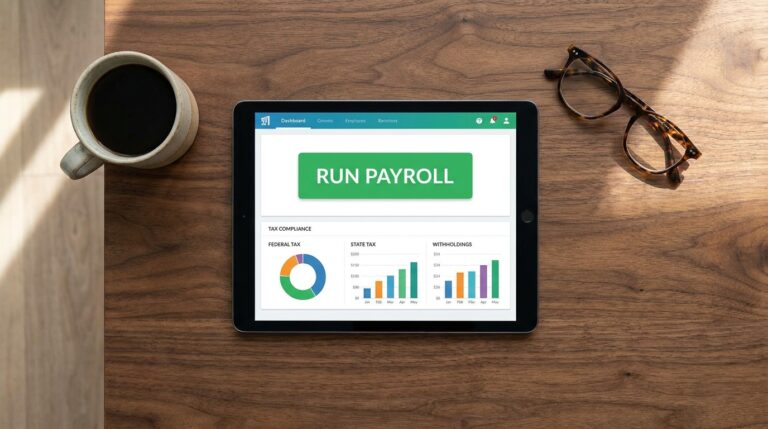
Health and Dental: The moment an employee signs their electronic enrollment form, the software automatically calculates their exact premium liability. When you run payroll, the system automatically deducts the precise pre-tax amount from their gross wages.
-
Managing 401k for Small Business: Retirement compliance is notoriously strict. If your company uses a platform integration (like Guideline syncing with Gusto or Rippling), the software automatically deducts the employee’s chosen percentage, calculates the employer match, and securely routes those funds to the investment accounts.
-
Life Events: If an employee gets married or has a child, they initiate a “Qualifying Life Event” in their app. The software automatically recalculates their new premium and adjusts their next paycheck deduction instantly.
Selecting the Right Platform for Your Team
When evaluating affordable employee perks software, it is vital to match the platform to your company’s growth trajectory.
-
Gusto: If you are a team of 5 to 50 employees and want the simplest, most intuitive interface on the market, Gusto is the undisputed king. They act as your broker, their payroll is flawless, and their employee-facing app makes selecting health insurance incredibly easy.
-
Rippling: If you are scaling rapidly and need to manage both HR and IT equipment, Rippling is the powerhouse. Their automation capabilities are unmatched. When you hire someone, Rippling not only enrolls them in benefits and sets up their payroll, but it can also automatically order their laptop and set up their software passwords.
-
PEOs (Justworks / TriNet): If you want to completely outsource your legal compliance and access the absolute highest tier of corporate health plans, a Professional Employer Organization (PEO) is your best bet. You enter a co-employment model where they legally assume your HR liabilities, though this route is significantly more expensive per employee.
Do not let the fear of administrative overload stop you from taking care of your team. By deploying a modern benefits administration platform, you can offer the robust, life-changing perks your employees deserve, completely automate your compliance, and get back to doing what you do best: running your business.
Financial and Insurance Disclaimer: The information provided in this guide is for educational and informational purposes only. It does not constitute certified financial, legal, or insurance advice. Benefit offerings, platform pricing, and health insurance regulations vary by state and provider. Always consult with a licensed insurance broker or financial advisor before implementing new employee benefit plans.